
Organizing a graduation ceremony feels exciting at the beginning. Then the real work starts. After covering tens of graduation ceremonies for thousands of students from different universities across Georgia, we have learned what helps a ceremony run smoothly and what usually causes stress. That is why we put together this practical guide.
You need to choose the right venue, build a realistic schedule, coordinate graduates and families, manage stage flow, think about sound and music, and make sure the event looks beautiful not only in person, but also in photos, videos, and livestream coverage. For many student committees in Tbilisi, this is the first time planning an event like this, so it is completely normal to feel overwhelmed.
We have worked with many graduation groups and organizers in Georgia, and we have seen the same pattern again and again: when the ceremony is planned carefully, the whole day feels smoother, calmer, and much more memorable. When key details are ignored, even a beautiful venue can turn into a stressful experience.
If you are still deciding where to host your event, start with our guide to recommended venues for graduation ceremonies in Tbilisi.
Begin planning earlier than you think
One of the biggest mistakes student committees make is leaving serious planning too late.
A graduation ceremony may look simple from the audience side, but from the organizing side it is a full production. There is a venue to confirm, a graduate count to finalize, a stage layout to plan, a slideshow to prepare, music to assign, family and group photos to organize, and a crowd to manage. If too many decisions are pushed into the final week, the pressure increases fast and small problems become much harder to fix.
We always recommend working backwards from the ceremony date. Confirm the venue first. Then estimate the graduate count. Then build the running order. Then finalize the visual and technical setup. Only after those big decisions are clear should you move to smaller details like props, soundtrack order, and student instructions.
Good graduation coverage begins long before the cameras come out.
Choose a venue that works for ceremonies, not only celebrations
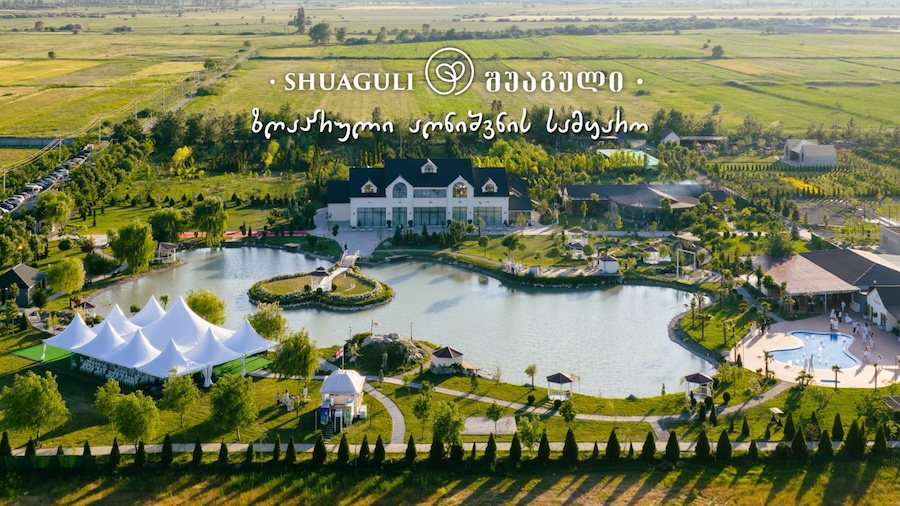
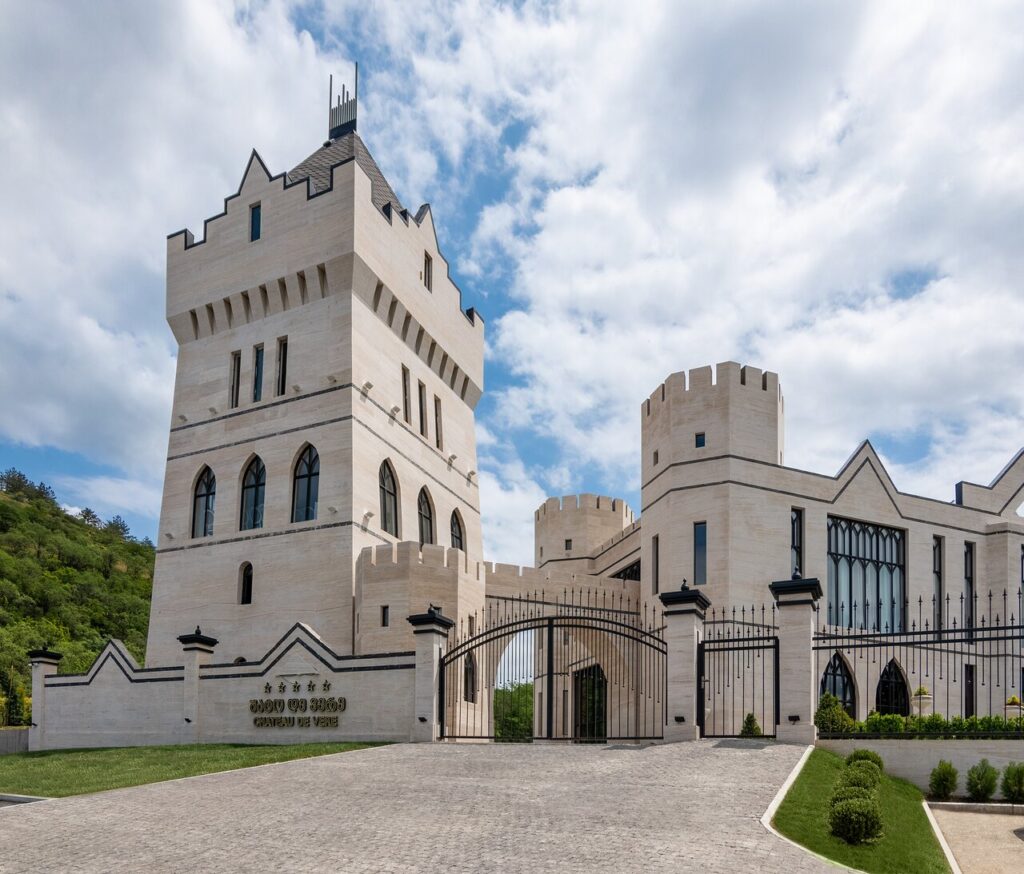
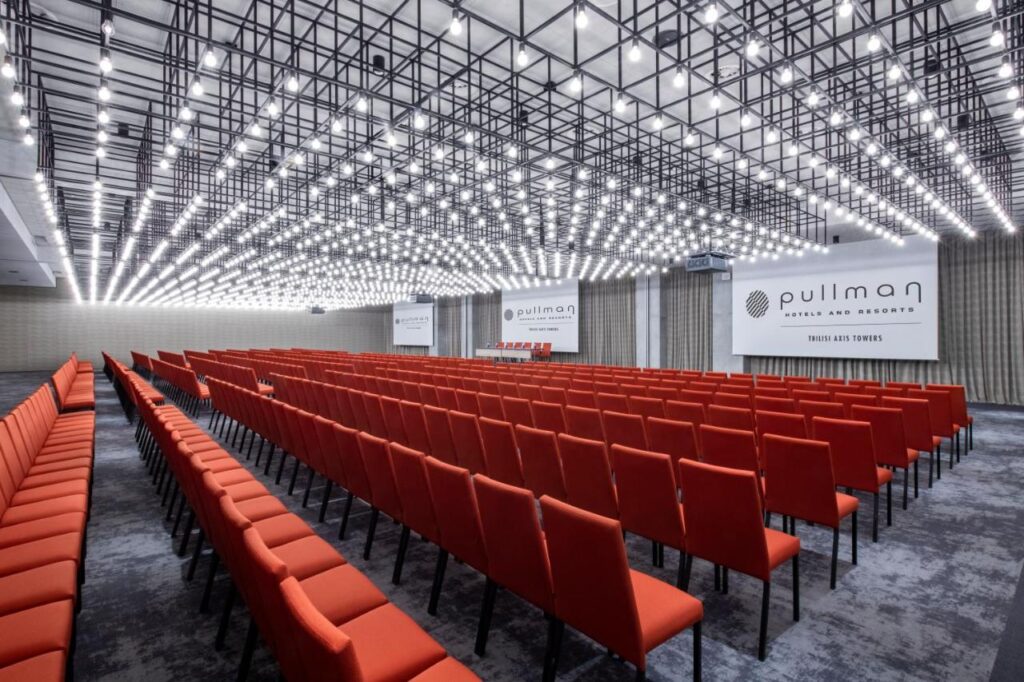
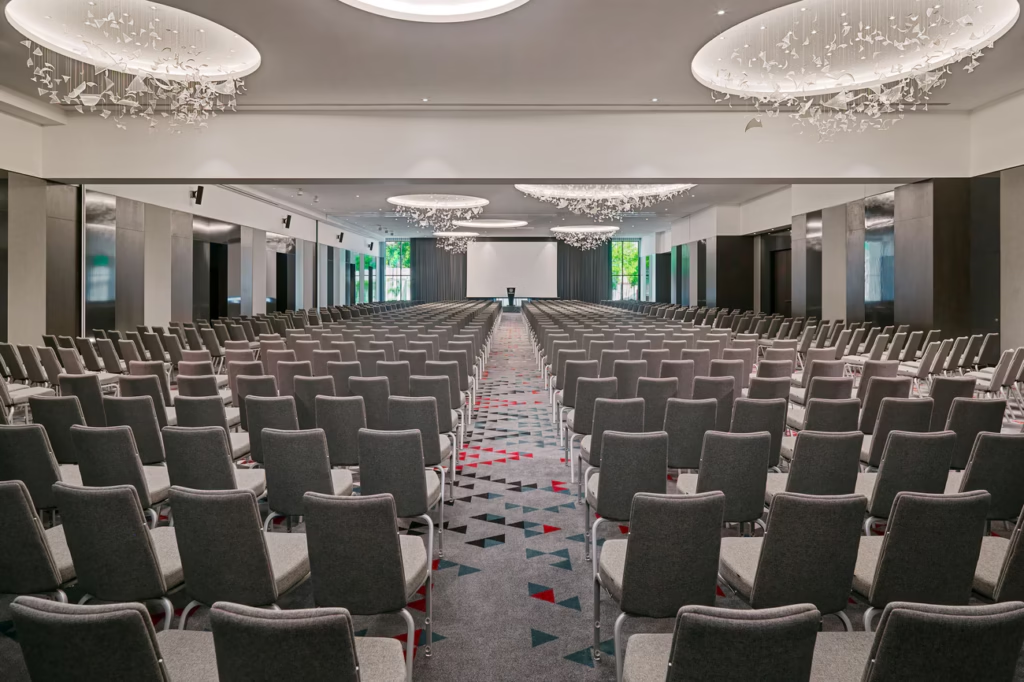
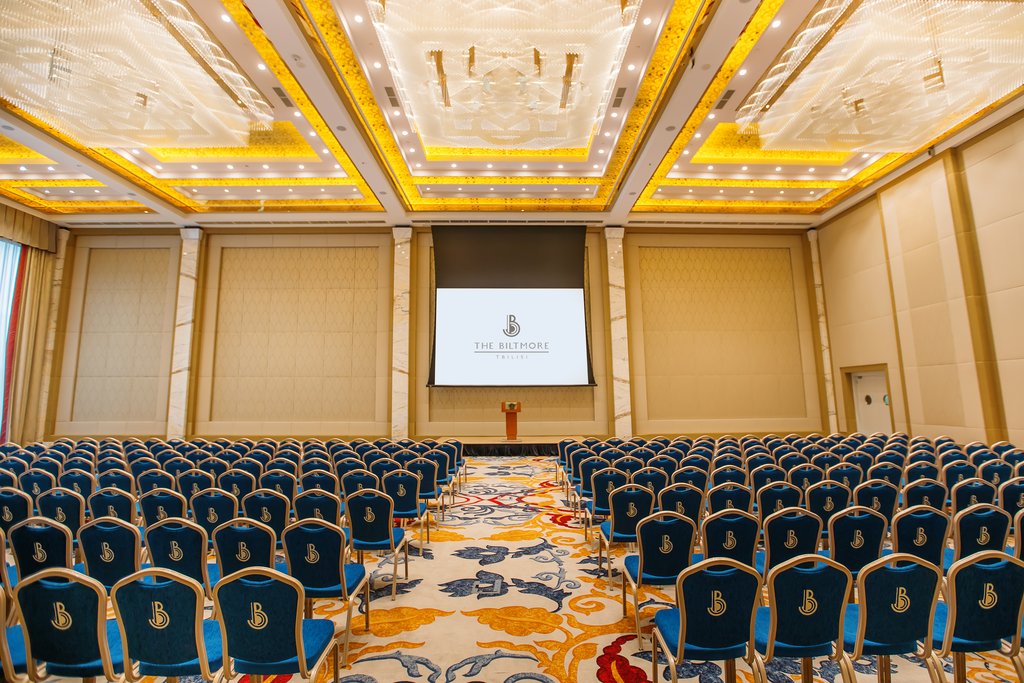
A venue can look impressive online and still be difficult for a real graduation event.
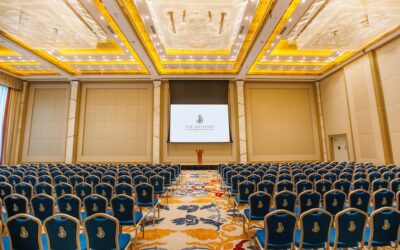
When choosing a graduation venue in Tbilisi or elsewhere in Georgia, think beyond decoration. Ask practical questions. Is there enough space for graduates to enter and exit smoothly? Can families see the stage clearly? Is there room for group photos? Are there clear camera positions? Is there reliable sound? Does the venue support livestreaming well? Is there a logical place for portraits before the ceremony begins?
These questions matter just as much as chandeliers, flower arches, or panoramic views.
We have seen venues that are beautiful for dinners but weak for diploma presentation. We have seen spaces that look elegant in photos but create awkward stage movement or poor sightlines. The best graduation venues are the ones that balance ceremony flow, visibility, atmosphere, and logistics.
That is one reason why it helps to involve your photography and videography team early. When media planning starts early, many visual and technical problems can be prevented before they happen.
Confirm the graduate count as early as possible
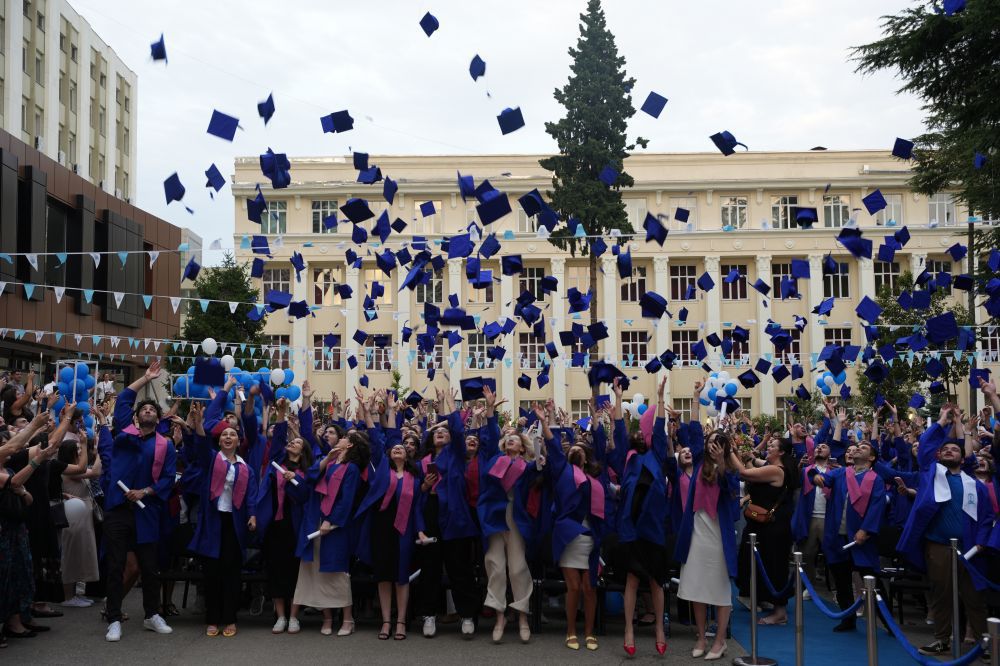
Your final graduate count changes almost everything.
It affects graduation photography and videography pricing, timing, portrait planning, stage pacing, slideshow preparation, and the likely number of family guests. It also affects how chaotic the venue may become before and after the ceremony.
For pre-ceremony classic individual graduation portraits in gowns and hats (or pre-graduation portraits in lab coats), a realistic working speed is around 30 graduates per hour, and studio-style portrait coverage is usually planned around that pace. That means if portraits are included, students need to arrive early enough for the process to move smoothly. This sounds simple, but it is one of the most common places where committees underestimate the time needed.
If your group is large, do not treat portraits like a tiny add-on. They need structure, communication, and clear arrival expectations. Graduation day is emotional, and many students run late unless the instructions are repeated clearly in advance.
Build a real timeline, not just a start time
Saying “the ceremony starts at 5 PM” is not enough.
A proper graduation ceremony usually includes guest arrival, graduate seating, processional, welcome remarks, speeches, conferral of degrees, diploma presentation, awards if relevant, an oath in some fields, closing remarks, recessional, and post-ceremony celebration.
A detailed timeline helps everyone.
It helps the host. It helps the sound team. It helps the venue staff. It helps your graduates know when to arrive. And it helps your media team anticipate what comes next instead of reacting too late.
The more clearly the event is sequenced, the more professional it feels from the audience side.
Key Stages of a Ceremony
Here are the typical stages of a graduation ceremony (common international structure). Exact order can vary:
- Guest arrival & seating
- Graduates arrival & seating (often by program/department. The practical check-in and getting everyone into their assigned seats before the ceremony formally starts.)
- Processional (academic staff + graduates enter. The formal ceremonial entrance that officially kicks things off.)
- Opening remarks / welcome (host/MC)
- National anthem / university anthem (if included)
- Opening speeches
- University president/rector
- Dean/faculty representative
- Guest speaker (optional)
- Student speeches
- Valedictorian/class representative (optional)
- Conferral of degrees (official approval that degrees are awarded)
- Diploma/scroll presentation (names called; students walk stage; handshake/photo moment)
- Awards & honors (optional: scholarships, top students, special recognition)
- Oath / pledge (common in medicine, nursing, law, etc.)
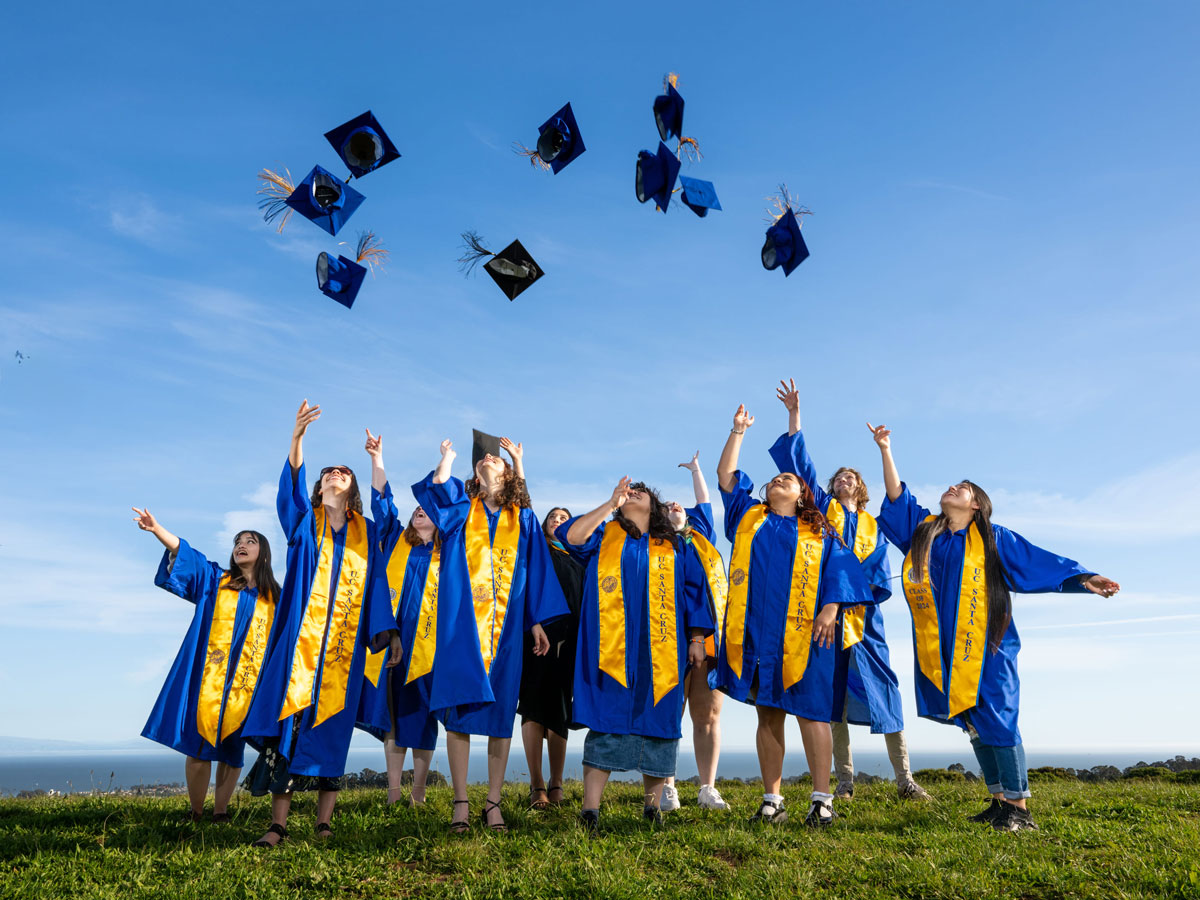
- Cap toss
- Cake cutting
- Closing remarks & thank-yous
- Recessional (graduates and staff exit)
- Celebration & informal photos (family meet-up, bouquets, group photos, music, dance, celebrations)
Do family and group photos before the ceremony
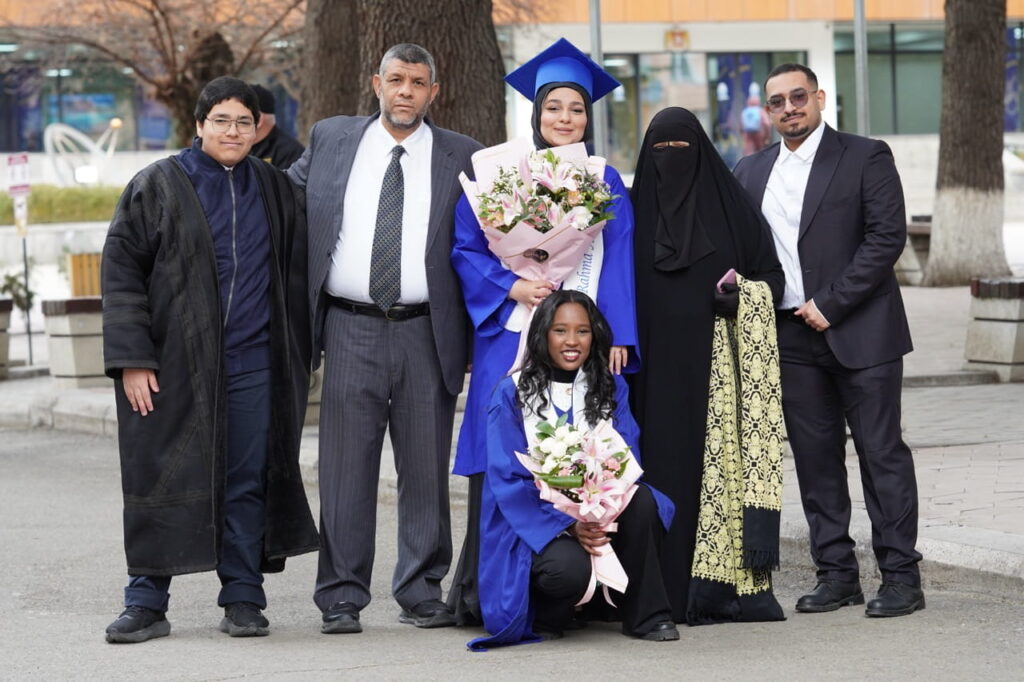
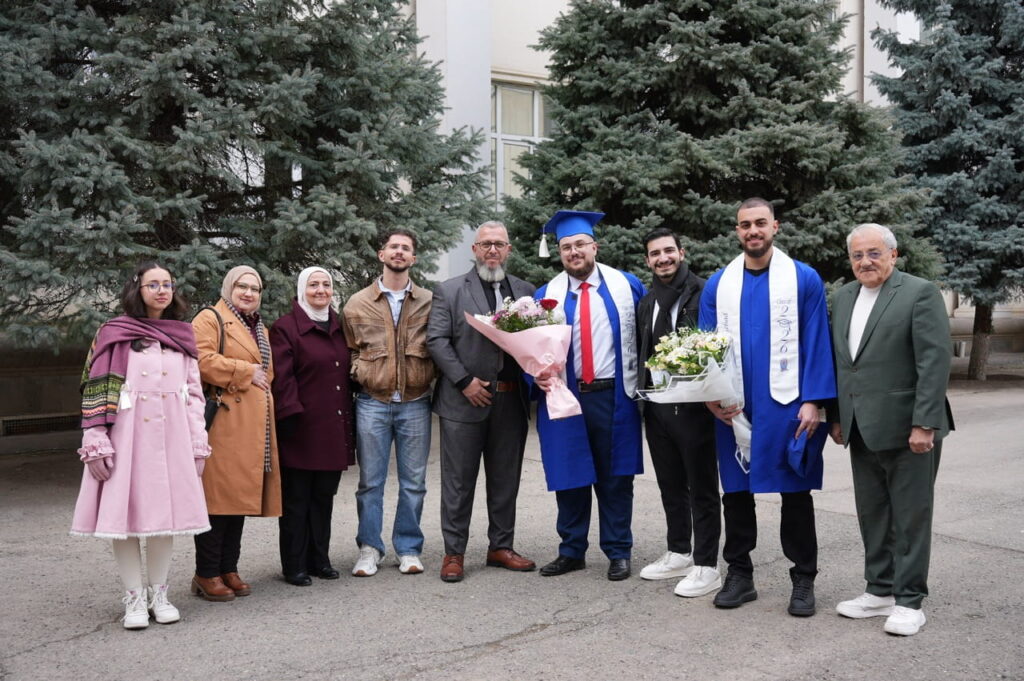
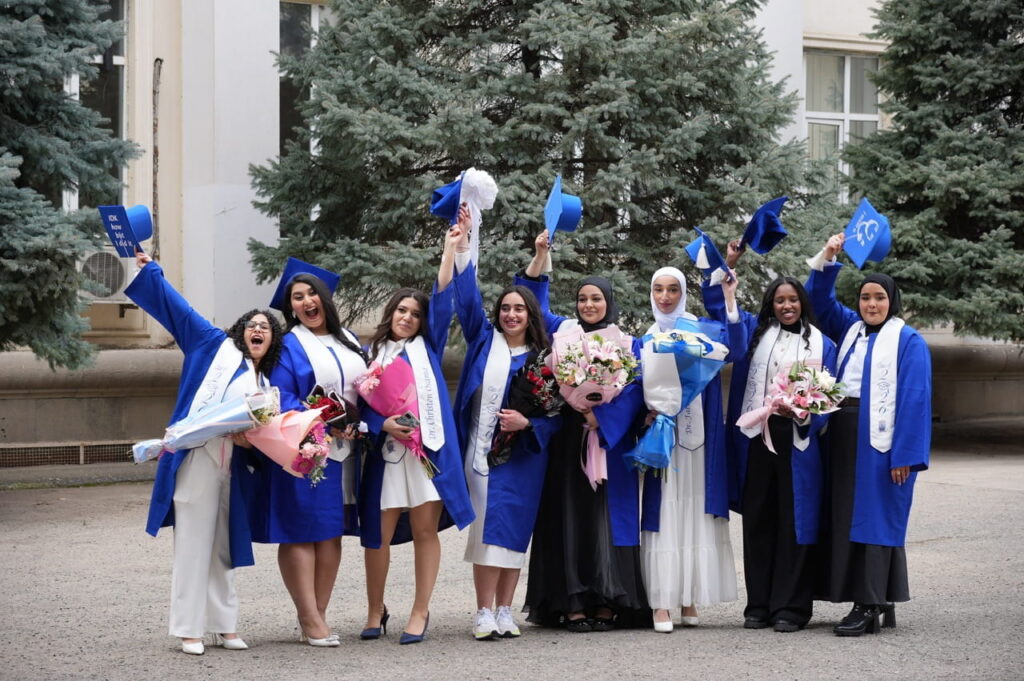
If you want organized family photos and proper group shots, do as much of that work as possible before the ceremony starts. Once the ceremony ends, the mood changes immediately. The space becomes crowded, flowers appear everywhere, families pull graduates in different directions, and some guests need to leave quickly.
That is why formal photo planning works better earlier in the day.
After the ceremony, you can still capture emotional and candid images: hugs, bouquets, laughter, tears, celebrations, and social moments. But if you leave every formal photo until the end, the process becomes far harder to control.
View a sample graduation ceremony photo gallery →
Plan the stage visuals carefully
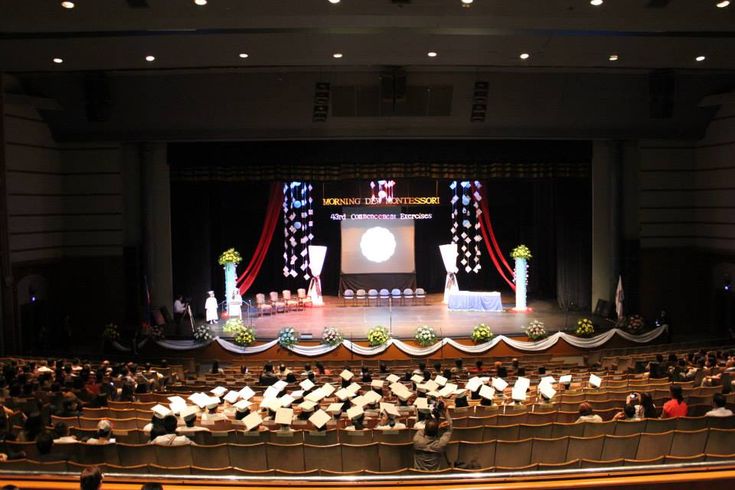
Graduation is a visual event. Small stage decisions make a big difference.
Backdrop design matters. Stage spacing matters. The diploma handover point matters. Even the distance between the entrance path and the stage matters. If graduates have to walk too far before reaching the stage, applause can fade too early and create an awkward pause. A shorter, smoother path usually feels much better.
We also strongly encourage graduates to pause for a few seconds after receiving the diploma so a clean photo can be captured before they step away. That tiny pause helps avoid motion blur, bad timing, and rushed expressions.
These are the kinds of details people do not usually think about until they see the final gallery or video. But they make a huge difference in the finished result.
Crowd control affects photo and video quality more than people realize
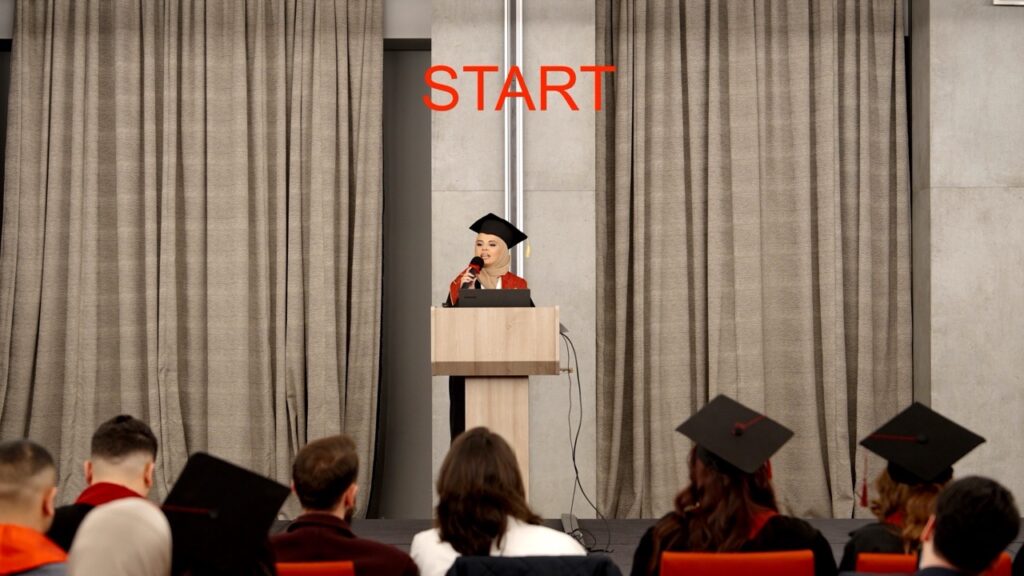
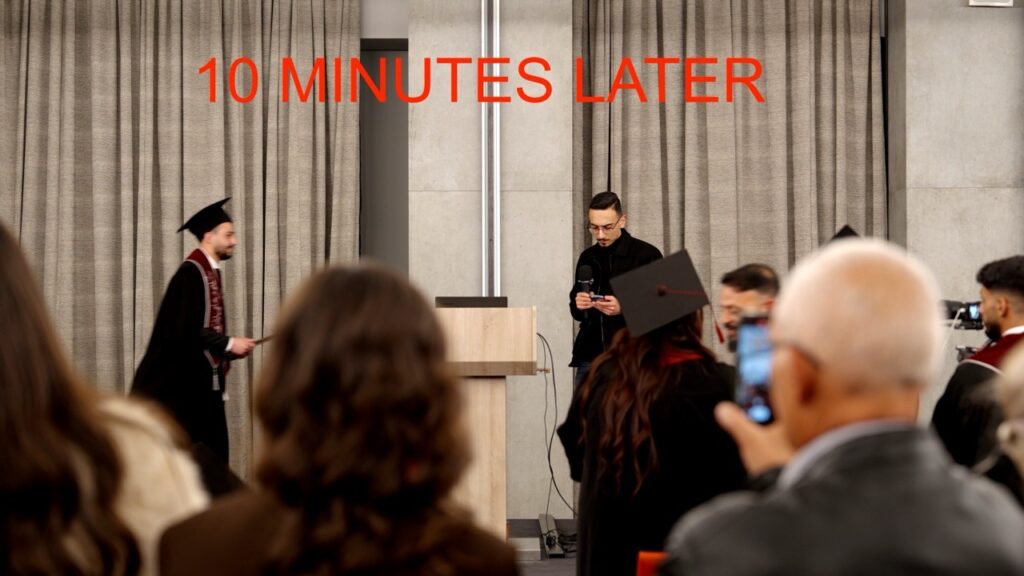
This is one of the biggest issues in real graduation ceremonies.
At the beginning, everything looks perfect. Guests are seated. Sightlines are clean. The stage is visible. Then diploma presentation begins, and family members start standing, moving into the aisles, and lifting phones into the air. Then others copy them. Very quickly, camera angles are blocked, guests behind them lose visibility, and later graduates often get much worse moments than earlier ones. The same problem often becomes even more serious during the oath.
This is why crowd control should never be treated as a minor detail.
Assign volunteer ushers or security. Keep aisles and camera lanes clear. Make sure there is protected space between the production team and the stage. Give the host or MC the authority to pause the ceremony if there is a chaos and the front area becomes overcrowded and only resume when order is restored.
That is not being strict. It is protecting the experience for every graduate.
Livestreaming is valuable, but it needs realistic expectations
Livestreaming can be one of the most meaningful parts of a graduation ceremony, especially for international students with family abroad.
A YouTube livestream allows relatives in other countries to be present in real time, even if they cannot travel to Georgia. That can be incredibly important for the graduates and their families. Livestream coverage is offered as an add-on and is generally planned for up to two hours.
But livestreaming also needs prior planning. Its quality depends heavily on local network conditions, venue restrictions, Wi-Fi limits, power issues, platform outages, and mobile network congestion. A stable uninterrupted stream can never be promised with complete certainty because some of those factors are outside anyone’s control.
That is why it helps to communicate clearly in advance. Share the livestream link with families abroad early. Encourage families to subscribe to Artmakers Studio’s Youtube channel or at least hit the join button as soon as they received the link to be notified when the stream begins. And if possible, ask guests not to livestream from phones during the main ceremony.
Sound and music need proper planning too
Music can improve the ceremony or quietly damage it.
A good graduation usually needs different sound moods for different stages of the day. Light background music can work during guest seating. A formal processional track helps the opening feel important. Diploma presentation may work well with subtle, low-volume background music. Speeches and oath sections usually need very clear audio, so music should be absent or minimal there. Then the exit and celebration can become more energetic.
The technical side matters too.
Is there a DJ? Who controls the playlist? Are the tracks downloaded locally, or are they relying on an internet connection? Can the music be paused instantly if the host needs to stop the ceremony and restore order? These questions should be answered before the event day, not in the middle of the event.
- Recommended breakdown by ceremony stage:
- Guest arrival / seating: light background music
- Processional (entrance): formal, steady-tempo track
- Speeches: no music (or very low only before/after)
- Diploma calling: subtle background music at low volume (must not overpower names)
- Oath-taking: no music (clear audio is critical)
- After cap toss: energetic celebration music
- Recessional (exit): uplifting, celebratory track
- Post-ceremony / photo time: energetic but controlled celebration music
- Operational note (very important): The host/MC must be able to pause music immediately if crowd control is needed, and resume only once everyone is seated and the aisles are clear.
Do not forget the slideshow
For many ceremonies, the slideshow is a major part of the audience experience. Artmakers Studio takes the photos, but the organizing committee is in charge of making the slideshow in the style they like.
If each graduate’s name and photo appear on the venue screen during the ceremony, the whole event feels more polished and meaningful. Guests follow the program more easily. Graduates feel recognized more clearly. The ceremony feels organized instead of improvised.
But the slideshow only helps if it is prepared early, checked properly, and tested in advance.
If the committee is still editing it the night before the event, you are creating unnecessary risk. Finish it early. Share it with the relevant team members. Test it at the venue if possible.
Tell graduates what helps the day run smoothly
Student committees often communicate arrival time and dress code, but forget to explain the practical behavior that helps the ceremony succeed.
Graduates should know to arrive on time for portraits. They should know to pause briefly on stage after receiving the diploma. They should know that if they hire an external private photographer, this should be communicated in advance. And their guests should be encouraged to stay seated during diploma presentation and the oath instead of moving into the aisles.
A short, clear message to graduates before the event can solve many problems that are difficult to fix once the ceremony has started:
Hi everyone — a quick note to help the ceremony run smoothly and ensure everyone gets great photos and video:
• During diploma presentations and the oath, please ask your guests to stay seated and not move to the front. When people stand up and crowd the aisles, it blocks views and camera angles, and the graduates called later usually get the worst footage.
• When you’re on stage, please pause for a few seconds with the person who is giving you the diploma so our photographer can capture clean shots. Wait for the “OK” before stepping off.
• If you’ve booked an external/private photographer, please inform us in advance.
• Please arrive on time for the individual graduation portraits (photo booth). We will pack up the studio setup an hour before the ceremony starts.
— Artmakers Studio
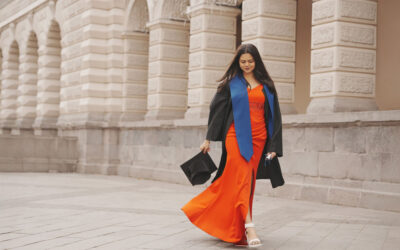
Think about graduation clothing early too
Many students leave graduation clothing too late.
That often creates stress, especially when rental quality is disappointing, sizing is inconsistent, or last-minute availability becomes limited. If your committee is helping students think through the full graduation experience, clothing should be part of the conversation as well.
We at Artmakers Studio recommend ordering your Custom-Made Graduation Clothing Instead of Renting.
What our graduation services actually mean
Many students and committee members see service names like long-form video, highlights reel, multi-crew coverage, or photo booth and are not always sure what those actually mean in real life.
So let’s explain them simply.
When we say ceremony photography, we do not mean just a few pictures of graduates on stage. We mean proper coverage of the whole story of the day: family portraits, candid moments, audience reactions, group photos, stage moments, diploma handovers, and the general atmosphere before and during the event. Our ceremony photography coverage is built around an on-site window of up to five hours.
When we say ceremony videography, we mean full video coverage from beginning to end, filmed in a way that lets us capture the ceremony from different angles instead of depending on one camera alone. Graduation ceremonies move quickly, and important moments often happen at the same time. That is why we use a multi-camera approach and deliver both a long-form graduation film and a highlights reel.
The long-form graduation video is the complete edited film of the event. This is the version people rewatch when they want to see the ceremony properly again. It includes the key stage moments, speeches, graduate names being called, crowd reactions, the energy in the room, and the overall flow of the day.
The highlights reel is different. It is the short, energetic version of the day, usually around one minute, edited to music and built from the strongest moments. It is ideal for social media and easy sharing. The long-form video is for memory and documentation. The highlights reel is for emotion, energy, and impact.
We also include aerial drone footage where conditions allow it. These overhead shots can show the venue, the setting, and the scale of the graduation in a much more cinematic way. At the right venue, this adds major visual value to the final film. At the same time, drone use always depends on weather, safety, venue permissions, local rules, and flight-zone limitations on the day.
Our livestream service means the ceremony is broadcast live on YouTube so family and friends abroad can watch in real time. For many international graduates in Tbilisi, this becomes one of the most meaningful parts of the event because not every parent or relative can travel to Georgia.
The term photo booth can also be confusing. In our graduation coverage, it does not mean a party corner with props and instant print strips. It means a professional portrait setup on location with studio lighting and a formal graduation backdrop, usually done before the ceremony or on a separate date. It is essentially a temporary portrait studio created at the venue, and the usual pace is about two minutes per graduate, or roughly thirty people per hour.
See how it is done: Photo Booth on Instagram (pre-graduation)
When we talk about multi-crew coverage, we mean that one person cannot do everything well alone at a graduation ceremony. While one camera is focused on the stage, another may be covering family emotions, audience reactions, or wide venue shots. That is how the final result feels richer and more complete. Our team is also English-speaking, which helps communication remain clear for international groups.
Want to see our team at work: Watch behind the scenes on Instagram
When we use the phrase cinematic videography, we simply mean that we want the final film to feel polished, emotional, and visually strong, not like a basic recording of what happened. Graduation deserves more than raw footage stitched together. It deserves thoughtful editing and a film that people will want to revisit.
Check out the graduation playlist on our YouTube channel.
We also care a lot about delivery timing, because students do not want to wait forever to see their photos. In practice, photo delivery is often very fast, sometimes the next day, but the formal delivery window for photos is within 10 days after the shoot. Video takes longer because editing is far more involved, so the long-form film and highlights are usually delivered in about 3 to 8 weeks.
Some people also ask about RAW files. In most cases, graduates do not want/need the raw files, so we deliver the finished edited work rather than raw camera files. As we do not archive the raw photo and video files forever, if a group wants raw footage too, that needs to be discussed in advance and collected no later than a week after the graduation ceremony.
And finally, the consultation before the event matters a lot to us. We do not like arriving on the day and guessing our way through the ceremony. We prefer to understand the venue, the schedule, the flow, and the important moments in advance. That planning stage prevents problems and improves the final result more than many people realize.
At the end of the day, what we offer is not just a list of media services. What we really try to provide is a complete visual record of the graduation day — one that feels beautiful, organized, emotional, and worth revisiting years later.
A few practical booking details that matter
Most ceremony coverage is built around an included on-site window of up to 5 hours. If a ceremony runs significantly beyond that and extra time is needed, overtime may need to be approved on the day and billed separately.
Booking early also matters (Contact Us on WhatsApp Now). Graduation dates fill up quickly, especially in peak season (early winter and early summer). In our standard booking structure, a non-refundable deposit secures the date, and the remaining balance is due no later than three days before the shoot.
We also strongly recommend having one clear contact person available via WhatsApp and of course on site during the ceremony, making sure venue permissions and filming access are arranged in advance, and sharing any must-have family groupings or key moments before the event day. Those small administrative details help the coverage go much more smoothly.
Why experienced graduation media support matters
Photography and videography should not be treated as something to “book later.”
A strong graduation media team does more than simply capture what happens. It helps shape how the event runs. It helps with portrait timing, stage flow, family photos, protected camera lanes, crowd management expectations, slideshow awareness, and livestream planning. That kind of support reduces stress and helps the whole day feel more organized.
This matters even more for international groups in Tbilisi. Many committees are working in English as a second language, coordinating students from different cultures, and managing expectations from families across different countries. Clear communication and real graduation experience make a huge difference.
That is where we try to bring real value: not by sounding pushy, but by helping you plan more wisely and capture the event in a way that truly reflects its importance.
View our graduation photography and videography details and pricing and reach out for a consultation in a Zoom meeting.
Final thoughts
A successful graduation ceremony is about designing a day that flows well from beginning to end. It is about giving graduates enough time, giving families a good experience, protecting the important stage moments, and planning carefully enough that the event still feels joyful instead of stressful.
If your student committee wants a graduation that looks polished, feels professional, and leaves graduates with beautiful memories, start early, communicate clearly, and treat media planning as part of the event strategy, not as a last-minute extra.
And if you want a team that understands graduation ceremonies in Tbilisi and can support you with graduation photography, videography, portraits, and livestream coverage, we would love to help.
Contact Us for Free Consultation
If you are part of a student organizing committee and want help planning the visual side of your graduation ceremony, contact us early. We can help with photography, videography, portraits, livestreaming, and practical pre-event advice so the ceremony runs more smoothly and the final result looks the way it should.